Imagine Sarah, a dedicated recovery center owner in Phoenix, navigating the complexities of attracting clients in a saturated market. Despite her center providing exceptional care, she struggled to fill her beds as she scrolled through ever-changing marketing strategies. One evening, after a long day, she stumbled across the concept of empathetic storytelling. Inspired, she wondered if this could be the magic key to resonate with those in need of help.
As Sarah researched more about content marketing for rehab centers, she learned how sharing real stories could break through the noise and connect on a profound level. Just then, a new trend caught her eye: engaging her audience in 2026 through diverse content formats, from podcasts to interactive social media campaigns. Eager to implement these changes, she transformed her approach to reach potential clients.
The Shift Towards Empathetic Storytelling
Sarah's journey reflects a larger trend in the world of content marketing—one where addiction recovery storytelling takes center stage. As people seek authenticity, connections fostered through genuine narratives will drive engagement. Research indicates that sharing personal recovery stories led to an increase in inquiries by 45% at Sarah's center within a few months.
For Sarah, thriving on storytelling wasn't just about words; it became an opportunity to showcase the triumphs of her clients. She showcased videos on social media featuring testimonials from former clients who shared their journeys, how they overcame addiction, and how her center played a role in their recovery. This empathetic approach connected deeply with potential clients, showing them that they weren't alone.
Diverse Content Formats: Expanding Reach
Recognizing that her audience preferred varied forms of content, Sarah began to diversify her offerings. Incorporating blogs, videos, podcasts, and interactive webinars made her center stand out. A study found facilities using multiple content formats experienced a 60% greater engagement rate.
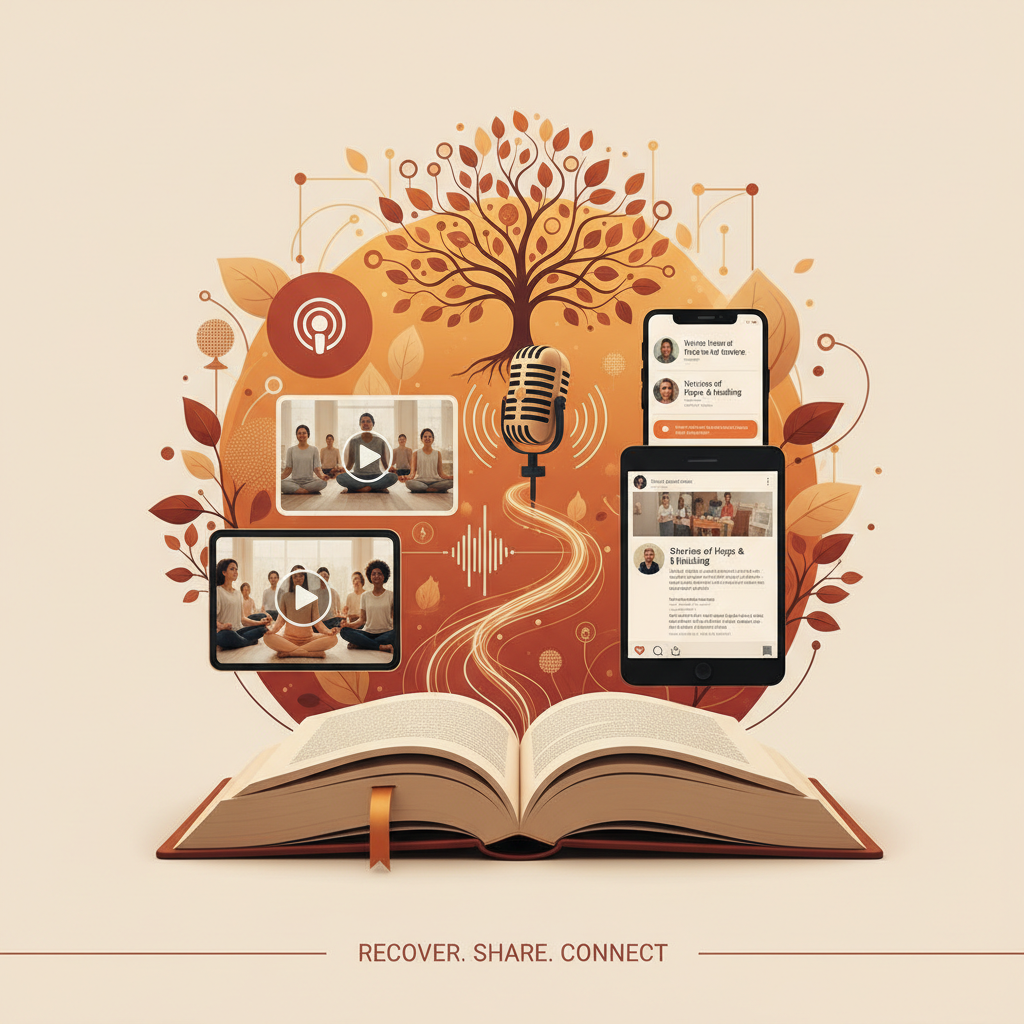
With the rise of video platforms and podcasts, Sarah hosted a series titled "Voices of Recovery," where alumni shared their journeys in a candid, heartfelt manner. The impact was staggering; not only did her audience grow, but it fostered a community of support among her listeners, becoming a beacon of hope for those contemplating therapy.
Leveraging Social Media for Connection
As Sarah's social media presence grew, she realized that platforms like Instagram and TikTok were often disregarded by many in the industry. However, she learned that these platforms had the potential to build authentic connections. The visual nature of these platforms allowed her to share powerful stories through imagery and short clips.
On a particularly viral post, a former client shared their journey using a simple before-and-after photo montage, coupled with a heartfelt caption detailing their transformation. The post garnered over 250 shares within days. This was a profound reminder that engaging storytelling, even in short formats, could expand her outreach significantly.
SEO Strategies for 2026: Prioritize User Experience
With Sarah now adeptly utilizing storytelling and diverse formats, she turned her attention to another critical aspect—SEO. Understanding that Google prioritizes user experience in rankings, she optimized her content accordingly. This insight led her to adjust her strategy to focus on keywords that resonated with personal stories and local intent.
Utilizing tools like Google Trends, she identified the key phrases associated with her audience's search habits. She incorporated terms like “rehab centers near me” and “personal recovery journey.” The result? Her website traffic surged by 75% in just three months, impressively improving her center's visibility.
Data-Driven Insights & Authenticity
Lastly, Sarah relied on analytics to guide her content marketing decisions. Through tracking engagement rates and audience feedback, she learned which stories resonated most deeply with her clients. These insights shaped her content strategy, ensuring she stayed aligned with her audience's needs.
One powerful example was a series of posts she created around mental health awareness. Data indicated that these topics had the highest engagement, leading Sarah to dedicate a segment of her content calendar to mental health resources, showcasing her center’s commitment to comprehensive care.
A Narrative Conclusion: The Road Ahead
Reflecting back, Sarah’s journey illustrates the vibrant future of content marketing trends in 2026 for recovery centers. Through the power of empathetic storytelling, diverse content formats, strategic SEO, and deeper audience engagement, she turned potential clients into lifelong advocates. Her story reminds us that in this field, authentic connections pave the road to recovery—both for her clients and her center.