
The digital landscape presents both immense opportunities and significant risks for addiction treatment centers. As patient data moves online and facilities rely more heavily on web-based operations, the threat of cyberattacks and data breaches intensifies. Protecting your website from vulnerabilities is no longer optional; it's a critical component of patient trust and regulatory compliance.
Automated vulnerability scanning emerges as a cornerstone strategy in this defense. These tools systematically examine your website and web applications for security flaws, misconfigurations, and known vulnerabilities that hackers could exploit. However, the market is flooded with options, making the selection process daunting for busy treatment center operators. Choosing the right scanner for your rehab website involves understanding its unique needs, compliance requirements, and operational workflows. For a comprehensive overview of why these scans are essential, refer to our pillar guide: Automated Vulnerability Scanning: Essential for Addiction Treatment Website Security.
This article will guide you through the intricate process of selecting an automated vulnerability scanner tailored specifically for the addiction treatment industry. We'll explore the crucial features, compare different types of solutions, and provide a framework to ensure your choice effectively safeguards your sensitive patient data and maintains your facility's reputation. Making an informed decision now can prevent costly security incidents down the line, ensuring continuous, compliant, and secure online operations.
Why Specialized Scanners Matter for Addiction Treatment Websites
Addiction treatment centers operate under strict regulatory frameworks, primarily HIPAA, which mandates robust protection of Protected Health Information (PHI). Generic vulnerability scanners, while useful, may not be equipped to identify specific compliance-related risks unique to healthcare websites. This includes vulnerabilities in patient portals, telehealth platforms, or data handling processes that could inadvertently expose sensitive health information.
A scanner attuned to healthcare compliance nuances can detect misconfigurations related to data encryption, access controls, and logging, which are vital for HIPAA adherence. Beyond compliance, the reputational damage from a data breach can be catastrophic for a treatment center, eroding trust and significantly impacting admissions. Therefore, investing in a scanner that understands the specific threat landscape of behavioral health is a strategic imperative, not just a technical one.
Key Features to Look for in a Vulnerability Scanner
When evaluating automated vulnerability scanners, a few core features stand out as non-negotiable for addiction treatment centers. First, look for comprehensive scanning capabilities that cover not just common web vulnerabilities (like SQL injection or XSS) but also API security, cloud misconfigurations, and third-party integrations crucial for modern websites. The scanner should offer both authenticated (logged-in) and unauthenticated (logged-out) scanning to mimic real-world attack vectors.

Reporting and remediation guidance are equally vital. The scanner should provide clear, actionable reports that detail detected vulnerabilities, their severity, and step-by-step instructions for remediation. Integration capabilities with development pipelines (CI/CD) and project management tools are a plus, enabling seamless security integration into your existing workflows. Finally, ensure the scanner offers regular updates to its vulnerability database to keep pace with emerging threats.
Expert Perspective: Securing Patient Data Through Smart Tool Selection
We sat down with Dr. Evelyn Reed, Chief Information Security Officer at SerenityPath Recovery, a leading multi-facility addiction treatment network, to get a practitioner's view on selecting the right security tools.
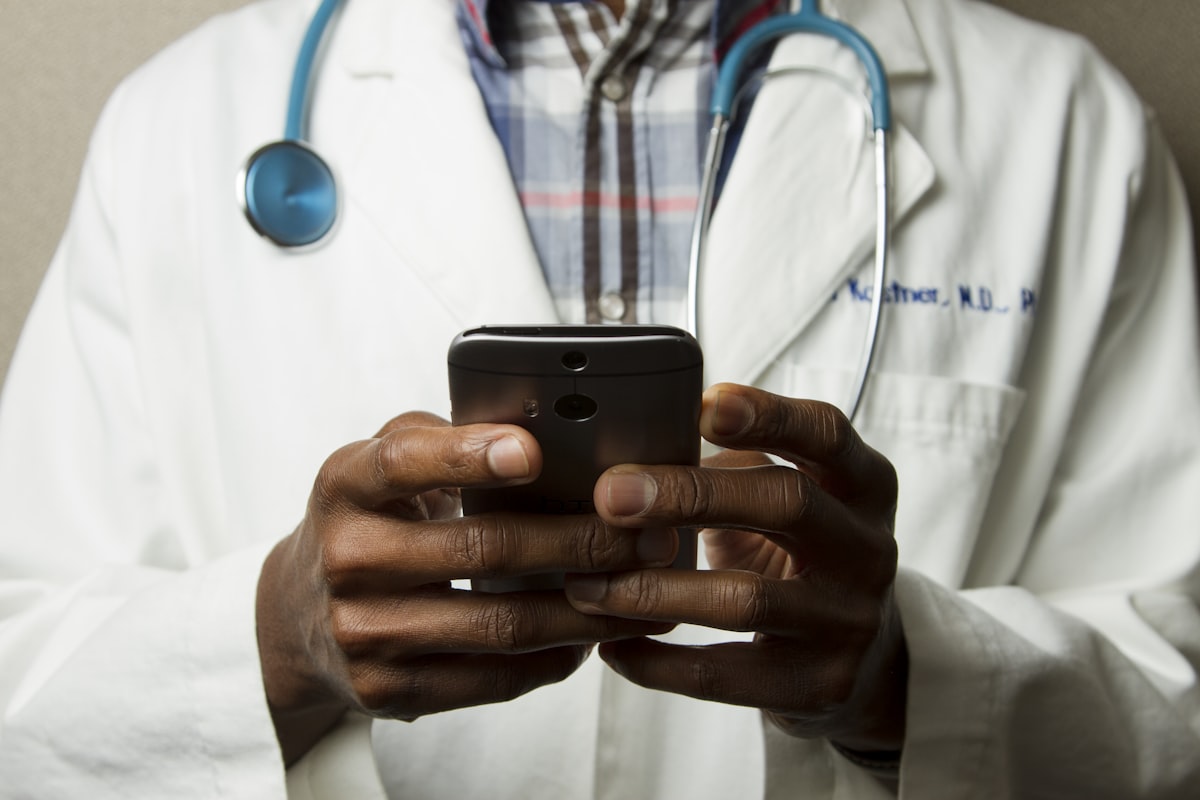
Q: How has the choice of vulnerability scanner impacted SerenityPath's security posture?
A: Selecting a scanner specifically designed for healthcare environments significantly enhanced our ability to detect HIPAA-related vulnerabilities. Generic tools missed critical nuances, but our current solution provides targeted insights that directly inform our compliance efforts and strengthen patient data protection.
Q: What's the biggest mistake you see treatment centers making when choosing a scanner?
A: The most common mistake is focusing solely on price or brand name without truly understanding their own unique risk profile and compliance obligations. A cheap scanner that misses critical vulnerabilities is far more expensive in the long run than a comprehensive one that proactively protects your facility.
Q: What results have you seen since implementing your chosen scanning solution?
A: We've seen a remarkable reduction in critical and high-severity vulnerabilities reported month-over-month. This has not only improved our overall security score but also streamlined our development and IT processes by identifying flaws much earlier in the cycle.
Q: What advice would you give to a facility just starting with scanner selection?
A: Begin with a thorough risk assessment. Understand what data you handle, where it resides, and what regulations apply. Then, align your scanner's capabilities directly with those identified risks and compliance mandates. Don't be afraid to ask for healthcare-specific case studies during your vendor evaluations.
Q: Where do you see automated vulnerability scanning heading in the next 12 months?
A: I anticipate a greater emphasis on AI-driven threat prediction and integration with broader security orchestration platforms. Scanners will become even more intelligent, proactively identifying potential attack vectors based on behavioral analytics, rather than just known signatures.
Open-Source vs. Commercial Solutions: A Comparison
The decision between open-source and commercial automated vulnerability scanners often comes down to budget, technical expertise, and specific feature requirements. Open-source tools like OWASP ZAP or Nikto offer cost-effectiveness and a high degree of customization, backed by strong community support. They can be excellent for teams with in-house security expertise to configure and maintain them.
However, commercial solutions typically offer more robust features, professional support, easier integration, and often a more user-friendly interface. Brands like Nessus, Acunetix, or Qualys provide dedicated reporting for compliance standards, advanced threat intelligence, and often managed services, which can be invaluable for treatment centers with limited IT security staff. The choice depends on your organization's resources and appetite for managing complex security tools internally.
> "While open-source tools provide a solid foundation for vulnerability detection, commercial scanners often deliver the depth of analysis, compliance-specific reporting, and vendor support that highly regulated industries like addiction treatment require." — Cybersecurity Report, 2025
Integration with Your Existing Security Stack
A scanner's true value is amplified when it integrates seamlessly with your broader security ecosystem. Consider how the chosen solution will interact with your:
- Web Application Firewall (WAF): To block detected threats in real-time.
- Security Information and Event Management (SIEM) system: For centralized logging and correlation of security events.
- Ticketing/Project Management software: To automate the assignment and tracking of remediation tasks.
- CI/CD Pipeline: For "security by design" where vulnerabilities are caught before deployment.
Smooth integration minimizes manual effort and provides a holistic view of your security posture, turning scan results into actionable intelligence. This is especially crucial for maintaining continuous security monitoring, allowing your team to quickly address and resolve new threats as they emerge.
Frequently Asked Questions
H3: What is the primary difference between a vulnerability scanner and a penetration test?
A: A vulnerability scanner is an automated tool that identifies known security weaknesses in your website or network based on pre-defined signatures and patterns. A penetration test is a manual, in-depth process performed by ethical hackers who simulate real-world attacks to uncover vulnerabilities, including unknown or complex logical flaws, often with a broader scope than automated scans.
H3: How often should addiction treatment centers run automated vulnerability scans?
A: For optimal security and compliance, addiction treatment centers should ideally implement continuous scanning. At a minimum, daily or weekly automated scans are recommended, especially after any website updates, new feature deployments, or significant configuration changes. Regulatory requirements may also dictate specific frequencies.
H3: Can automated scanners detect all types of vulnerabilities?
A: While automated scanners are highly effective at identifying a wide range of common vulnerabilities and misconfigurations, they have limitations. They may struggle with complex logical flaws, business logic vulnerabilities, or zero-day exploits. They are best used as part of a comprehensive security strategy that includes manual penetration testing and regular security audits.
H3: What should I do after a vulnerability scan identifies issues?
A: Once vulnerabilities are identified, the next critical step is remediation. Prioritize findings based on severity and potential impact on patient data or operations. Work with your development and IT teams to apply patches, reconfigure systems, or rewrite insecure code. Always re-scan after remediation to verify that the issues have been successfully resolved.
H3: Are there free automated vulnerability scanners available for rehab websites?
A: Yes, there are free and open-source options like OWASP ZAP or Nikto that can perform basic vulnerability scanning. These can be good starting points for smaller facilities with in-house technical expertise. However, they may lack the advanced features, comprehensive reporting, and dedicated support typically found in commercial solutions tailored for regulated industries.
Conclusion: Safeguarding Your Digital Front Door
Choosing the right automated vulnerability scanner is a strategic investment in the security and integrity of your addiction treatment center. It's about more than just checking a box; it's about proactively protecting patient trust, ensuring HIPAA compliance, and maintaining a secure online presence that supports your mission. By carefully evaluating features, considering integration, and understanding the unique demands of the behavioral health sector, you can empower your facility with the robust security tools it needs to thrive.
Key Takeaways:
- Specialized scanners offer better compliance with healthcare regulations like HIPAA.
- Look for comprehensive scanning, actionable reporting, and seamless integration.
- Consider your team's technical expertise when choosing between open-source and commercial tools.
Ready to enhance your rehab website's security? Download our "Rehab Website Vulnerability Scanner Comparison Checklist" to help you make an informed decision and fortify your digital defenses today.
[DOWNLOAD THE REHAB WEBSITE VULNERABILITY SCANNER COMPARISON CHECKLIST]
Protect your patient data and maintain your reputation. Contact Recovery Center Marketing for a comprehensive security audit and tailored recommendations.